Mondulkiri, the other Cambodia
Seven hours east of Phnom Penh the land rises, the temperature drops and the rice ends. This is hill forest, Bunong villages and the only place in Cambodia where you can spend a day with elephants that are not carrying anyone.
What it is, and why almost nobody goes
| Provincial town | Sen Monorom, about 1,000 m above the plain |
| From Phnom Penh | 380 km, 6.5 to 7.5 hours |
| From Kratie | 220 km, 4 to 4.5 hours |
| Nights we recommend | 3, of which one is arrival |
| Night temperatures | Down to 15 degrees in December and January; bring a layer |
| Best months | November to March; unsealed tracks are bad July to October |
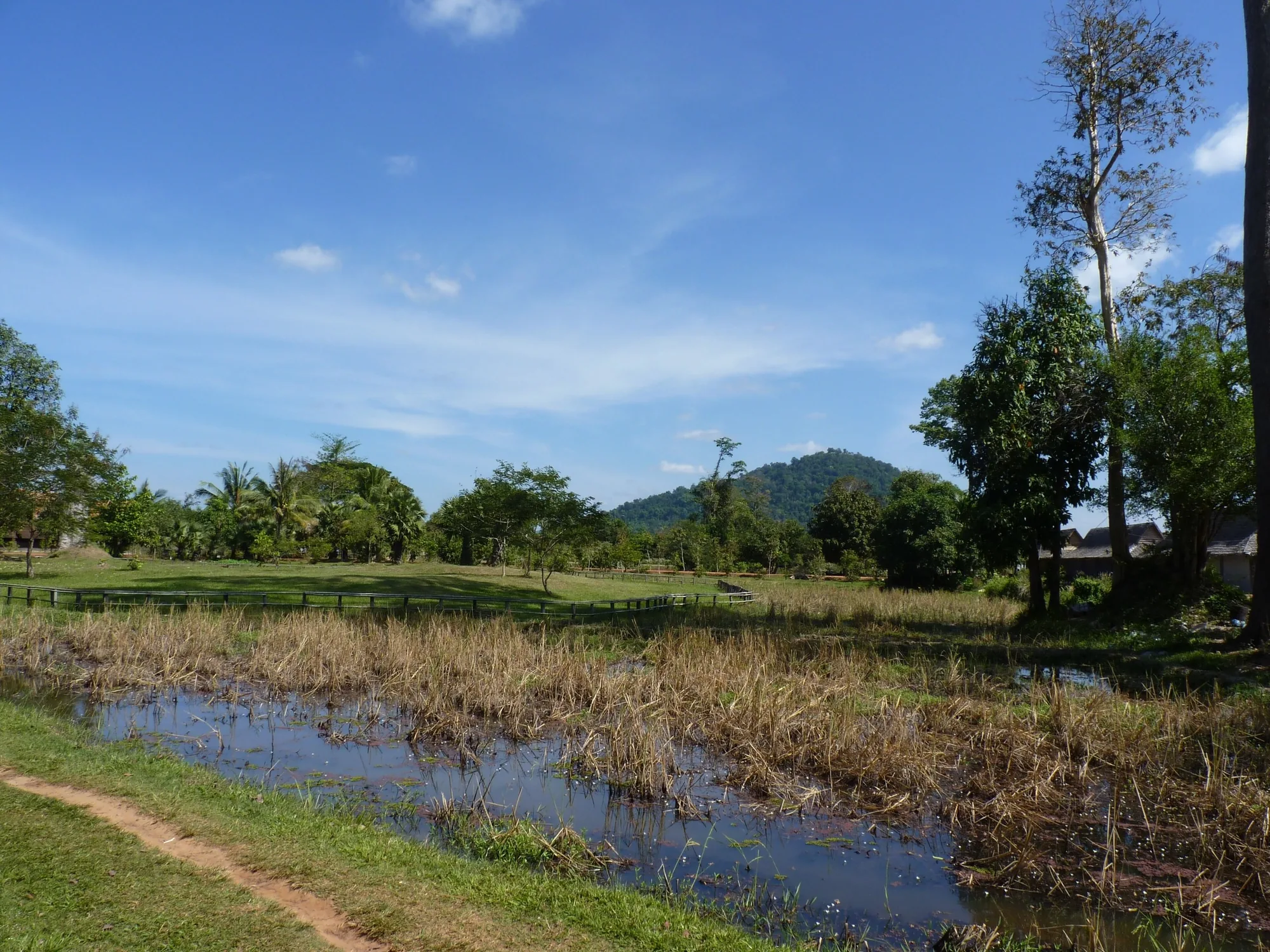
Mondulkiri is Cambodia's largest province and its emptiest. The landscape is rolling grassland and hill forest rather than paddy, the population is largely Bunong rather than Khmer, and at night in December you will want a jumper, which no one expects in Cambodia.
Almost nobody comes, and the reason is arithmetic: it is seven hours from Phnom Penh and four from Kratie, and it needs three nights. On a ten-day trip that is a third of your holiday. On a fourteen-day trip it is the part people talk about afterwards.
The elephants, and the distinction that matters
Cambodia has a small number of domesticated elephants, historically used for logging and hauling, mostly in Bunong ownership in this province. Several projects now pay owners a monthly amount so the animals do not have to work, and manage the forest they live in.
At the ones we use, you walk into forest with a guide and a Bunong keeper, find the elephants where they happen to be, and watch them feed and move for two or three hours. You do not ride. You do not bathe them. You do not feed them for a photograph. Some days you get within twenty metres and some days you do not.
Several places in Cambodia and across the region use it while offering bathing, hand-feeding and photo sessions, all of which require an animal to be controlled. We use only projects where the elephants live in forest and are observed rather than handled, and we tell you in advance that you may not get the photograph.
The full reasoning is on responsible travel.
The Bunong, and how to visit without it being a performance
The Bunong are an indigenous people of the eastern highlands, with their own language, animist practice and system of forest land use that predates the Khmer state in this region. Roughly half the province's population is Bunong.
Village visits are easy to do badly. The good version has three features: you are visiting a household that has agreed to receive visitors and is paid directly; a Bunong guide is with you and does the talking; and you are there for a reason, usually a meal, a walk to a resin tree, or a demonstration of something being made for use rather than for sale. The bad version is a bus, a photograph and a basket of souvenirs.
We use Bunong guides throughout the province. It costs slightly more and it is the difference between an afternoon and an intrusion.
The rest of three days
- Bousra waterfall: two tiers, 40 km east of Sen Monorom, powerful in the wet months and still good in the dry. The most visited place in the province, which here means twenty people.
- Forest walks in the Seima protected area: dipterocarp forest and, with luck and an early start, black-shanked douc and yellow-cheeked gibbon, both of which have significant populations here.
- The grassland hills south of town, which look like nothing else in Cambodia and are best at dawn.
- Coffee and pepper smallholdings around Sen Monorom, worked by Bunong and Khmer families, where you can watch processing without a showroom attached.
- A homestay night in a Bunong village, if you want it: mattress, mosquito net, shared washing, and an early household.
Getting there
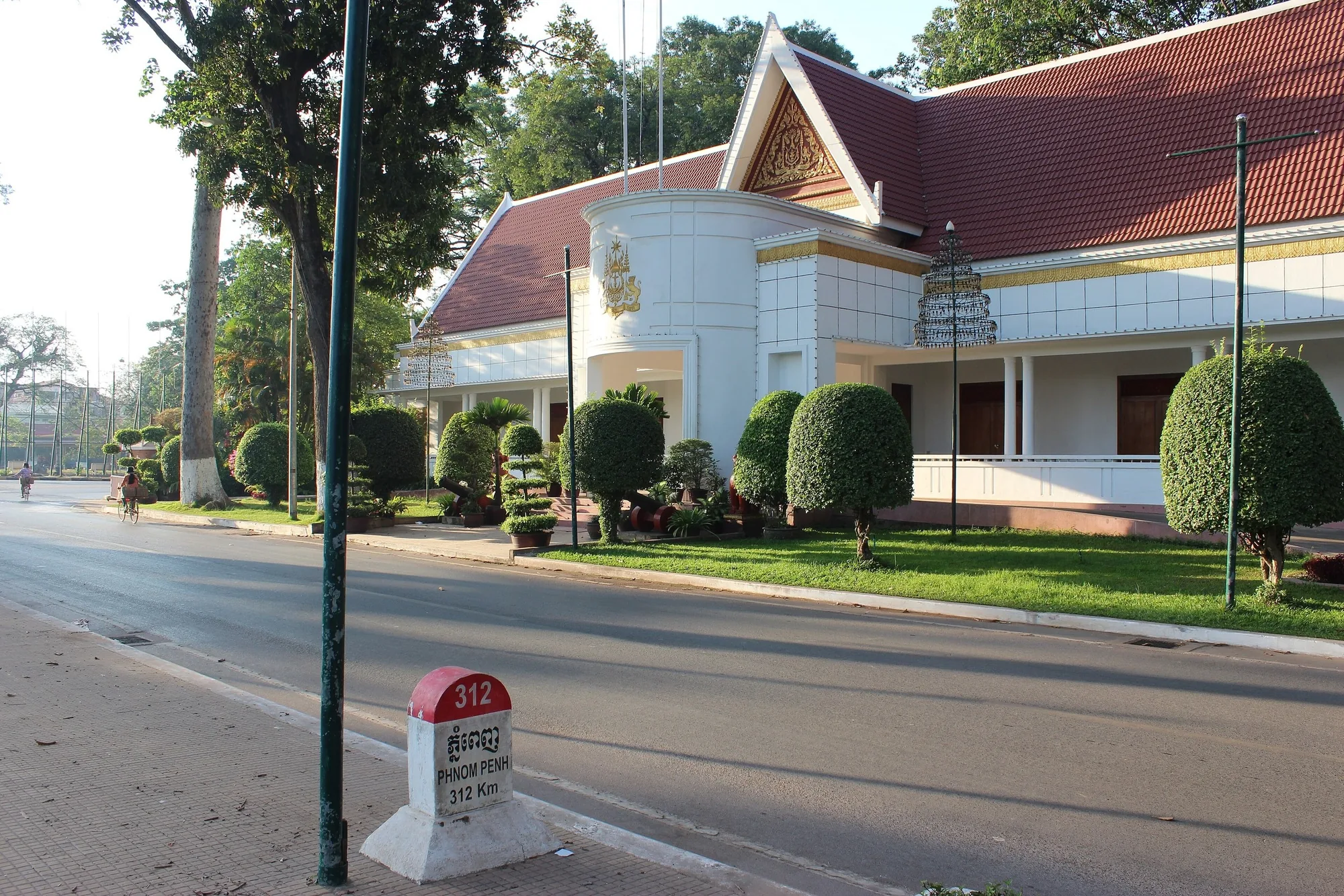
The road from Phnom Penh is sealed the whole way to Sen Monorom and takes six and a half to seven and a half hours. From Kratie it is four to four and a half. There is no airport and no realistic flight.
Roads beyond Sen Monorom are red laterite and turn slippery and slow from July to October. In those months we still run the province, but we plan shorter distances and we do not promise the more remote forest walks.
When to skip it
- If you have ten days or fewer. Mondulkiri costs you three nights plus the best part of two travel days, and it is the wrong trade on a short trip.
- From July to October, if forest walking is the reason you are going. The province is beautiful and green then and the tracks are difficult.
- If you are expecting a large sanctuary with dozens of visible elephants. These are small projects with a handful of animals in a large forest, and that is the point.
- If you need good accommodation. The best in Sen Monorom is a comfortable family-run guesthouse at around USD 40. Nothing above that exists.
Tours that include Mondulkiri
Mondulkiri forest, 4 days is the dedicated trip, usually paired with a night at Kratie on the way. It also forms the eastern arc of Cambodia in depth, 14 days.
Questions travellers ask most
Can I ride an elephant in Mondulkiri?
Not with us, and we would encourage you not to anywhere. At the forest projects we use you walk in and watch the elephants feed and move, from a distance they choose. You will not ride, bathe or hand-feed them.
How long does it take to get to Mondulkiri?
Six and a half to seven and a half hours from Phnom Penh on sealed road, or four to four and a half from Kratie. There is no flight. Give the province three nights or leave it out.
Is it cold in Mondulkiri?
Cool, by Cambodian standards. Nights in December and January can drop to about 15 degrees at a thousand metres, and mornings in the forest are genuinely fresh. Bring one warm layer, which almost nobody packs for Cambodia.
What is there beyond the elephants?
Forest walks in the Seima protected area with a real chance of douc and gibbon, Bousra waterfall, Bunong villages, grassland hills, and coffee and pepper smallholdings. Three days fills easily.
Read next
Tell us what you want out of Cambodia
Dates, party size and the places you care about are enough to start. You get a draft route and an indicative price, not a brochure.